Design
How to prepare your pharmacy for summer: design trends that improve the customer experience
design
Share this post
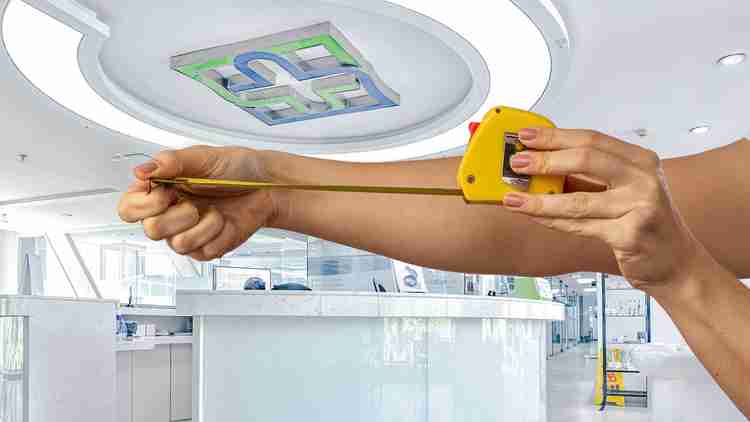
Human sizing is a structural pillar of clinical practice. Relevant Design Solutions are patient-centered solutions developed from collaborations. This includes sharing experiences, understanding human nature and the degree of variation in the relationship between patients, materials and objects.
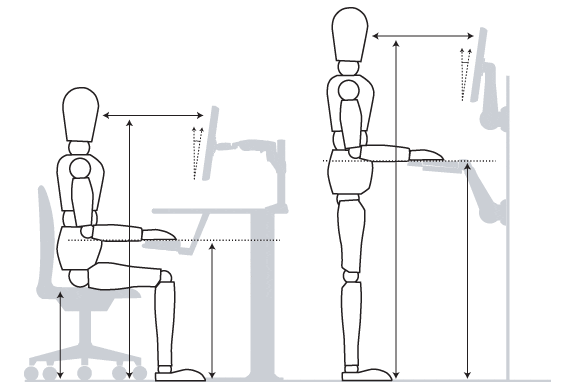
Therefore, in the design of clinical environments, a careful definition of the terms and requirements of each specialty is necessary so that all parties involved in executing the project are on the same page. It is a highly complex process that aims to capture the essence of patients' needs and, therefore, requires a long-term vision and an almost microscopic interest in detail. This term is often used in reference to the product design process that studies thecomparative relationsbetween the human body and the various elements inserted in space.
Among the different aspects of human sizing are:
Depending on the specialty, the design of clinical environments must reinterpret the anthropometric measurements of the space's occupants. This, so that all your needs are accommodated. In other words: the size and body size of patients and healthcare professionals are particularly important factors in the design of clinical environments.
The anthropometric measurements of greatest interest to designers and architects are those established between the different components of the space and its occupants. In this sense, it is pertinent to relate them with the various elements supporting the provision of healthcare, in order to optimize the established efficiency relationships. Check out some examples:
1 – The width of the doors must allow the passage of technical equipment and wheelchairs;
2 – The height of support benches and service counters must be between 5cm and 7.6cm below the elbow level of an individual of average height;
3 – To optimize circulation, free spaces must be defined according to the body width of a large occupant;
4 – The depth and height of shelves and support cabinets must consider the reach of a female individual of average height;
5 – The total area of the offices must accommodate different human dimensions taking into account the maximum number of occupants defined for the space;
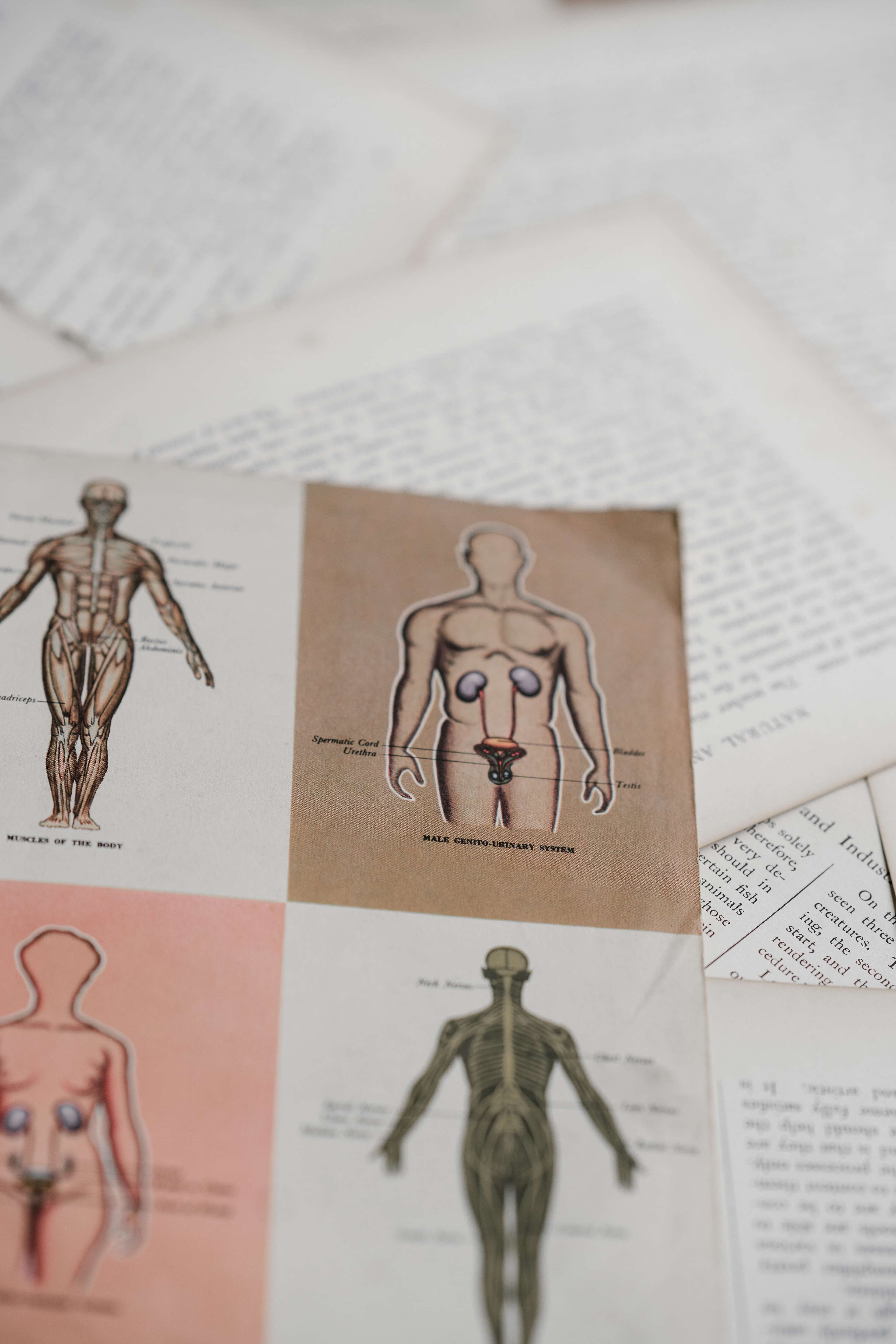


Our team of architects, designers and engineers designs elegant environments and solutions, with the aim of improving the quality of life for patients, families and healthcare professionals. Count on us!
Contact us!
Count on a multidisciplinary team with extensive experience in developing construction and renovation projects. Count on Medd’s professionals to ensure the success of your project. Contact us today!
Find inspiration for your renovation projects. Follow us and stay up to date with the latest news.