Design
How to prepare your pharmacy for summer: design trends that improve the customer experience
design
Share this post
The term Japandi arises from the fusion of the words “Japanese” and “Scandi”, combining the simplicity of oriental minimalism with the practicality of the Scandinavian style. The main characteristics of this style are functionality and simplicity of form.
In fact, these approaches to interior design have always demonstrated a certain aesthetic affinity. Still in the mid-20th century, Scandinavian designers and architects, such asPaul KjærholmorKaare Klint, began to make interesting adaptations of Japanese decorative culture, with emblematic pieces of furniture such as the PK-91 folding bench or the paper lamp.
Scandinavian modernism was also strongly influenced by Japanese architecture, with its abundance of wood, natural motifs and organic forms. A relationship that gave rise to the Japandi style, combining the common sense of Scandinavian decoration with Japanese sobriety.
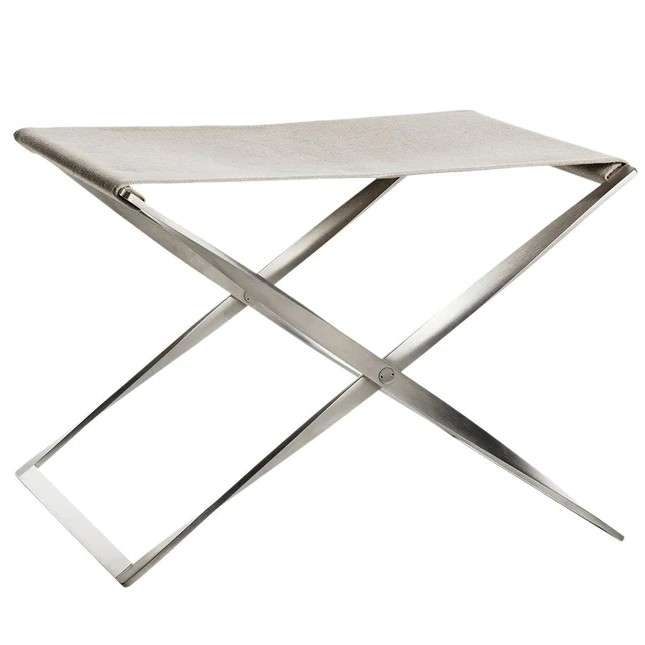
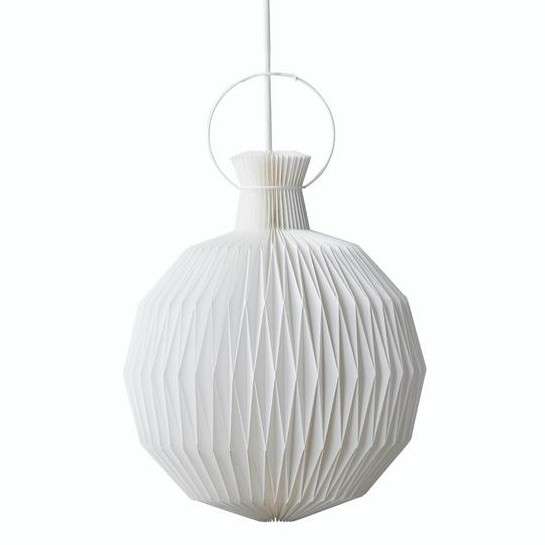
PK-91 folding bench by Paul Kjærholm & Le Klint lamp – model 101 – by Kaare Klint|Image credits: fritzhansen.com
Closeness to nature is the dominant philosophy of the Japandi style. A heritage that receives both from Japanese philosophyWabi-Sabi, as in the Nordic conceptHygge(pronounced “huga” in Portuguese). Both reinforce the importance of life's small pleasures, advocating beauty in its purest and most natural form.
Thus, while Hygge emphasizes the importance of ergonomics, Wabi-Sabi reinforces the nobility of the unfinished, the imperfect or even the damaged. Hence the predominance of natural materials (such aswood, linen, rattan, wicker, bamboo, stone or ceramic) in Japandi interiors. An aesthetic where asymmetry, rusticity and modesty of materials are indispensable characteristics. For this reason, living elements, such as plants, cannot be missing in this type of interior.
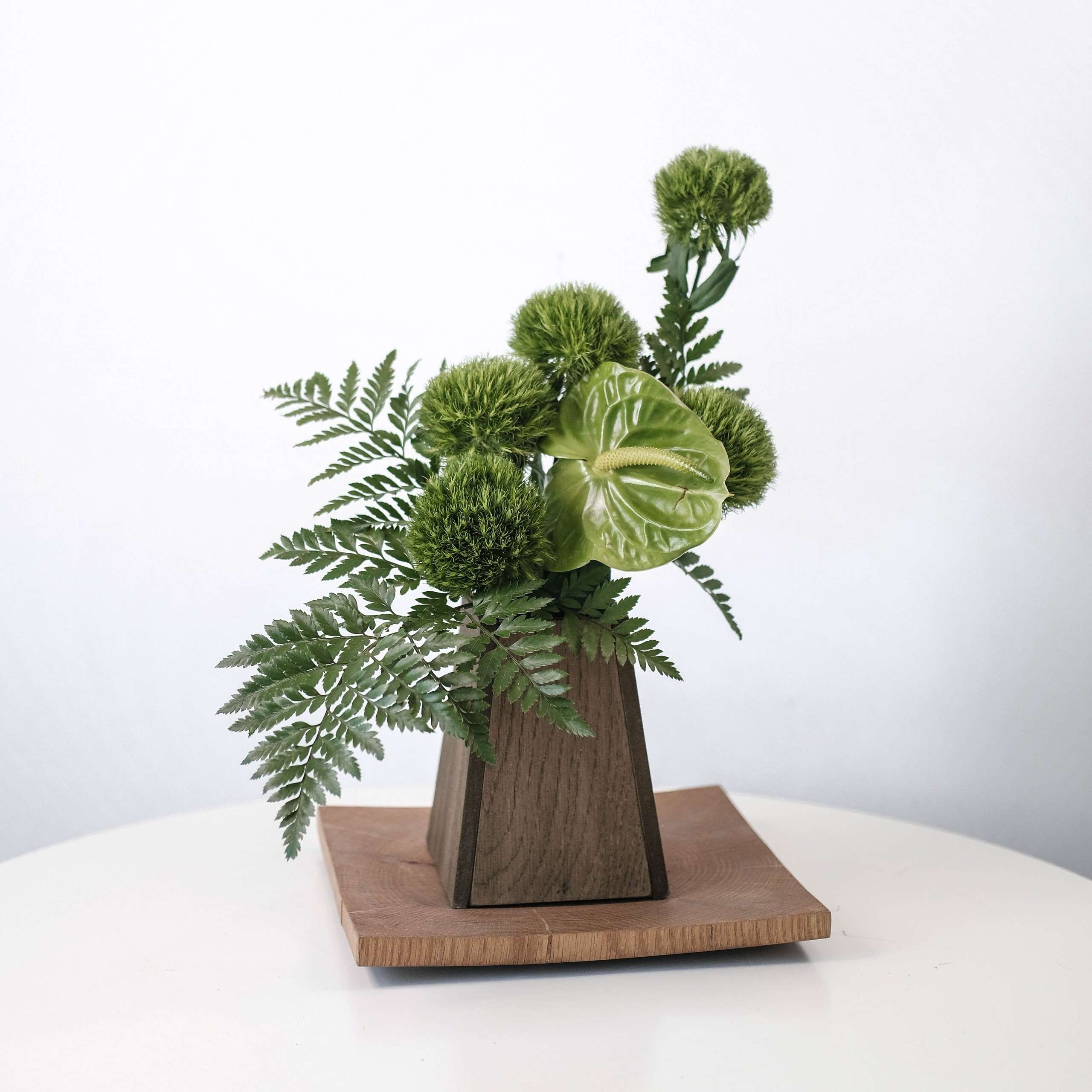
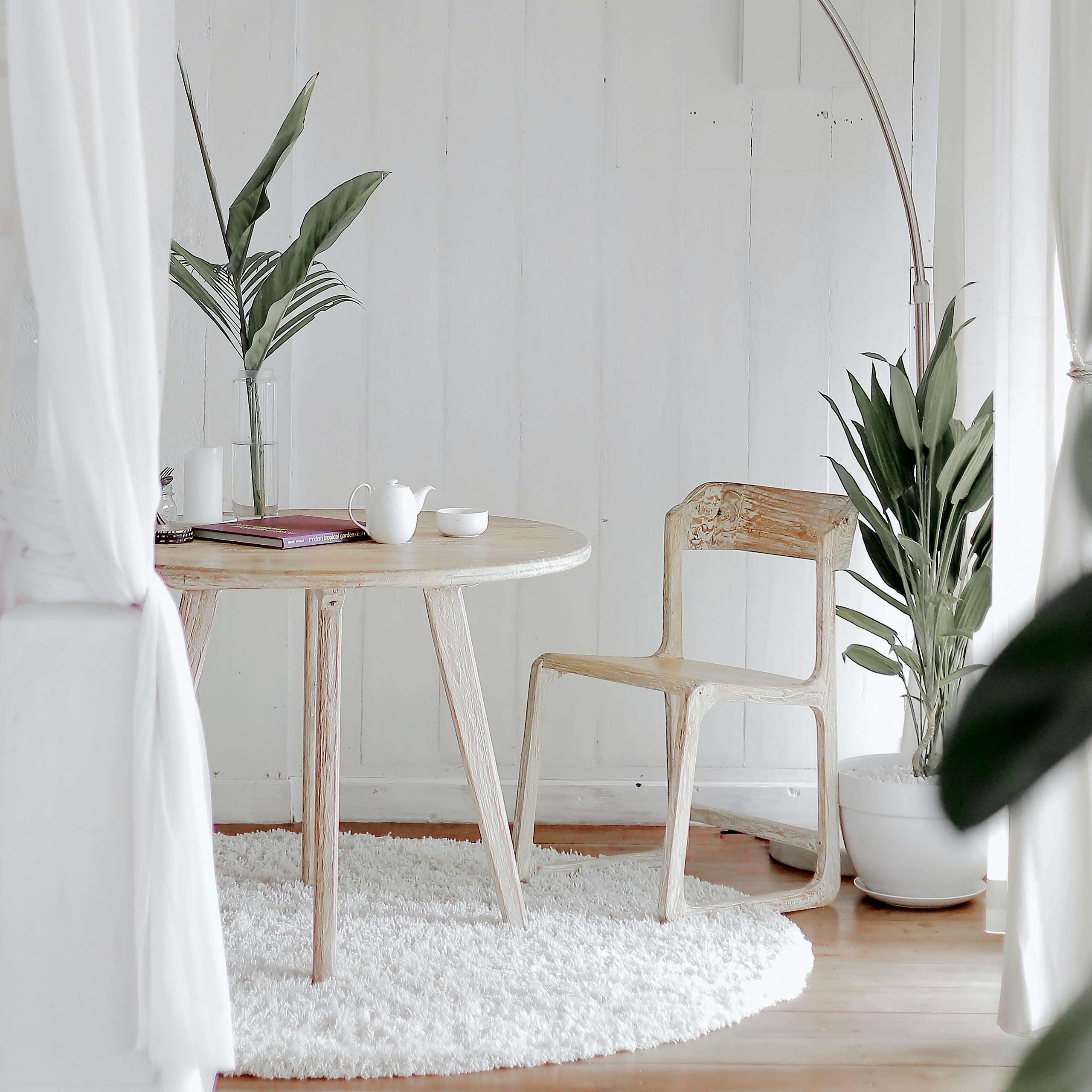
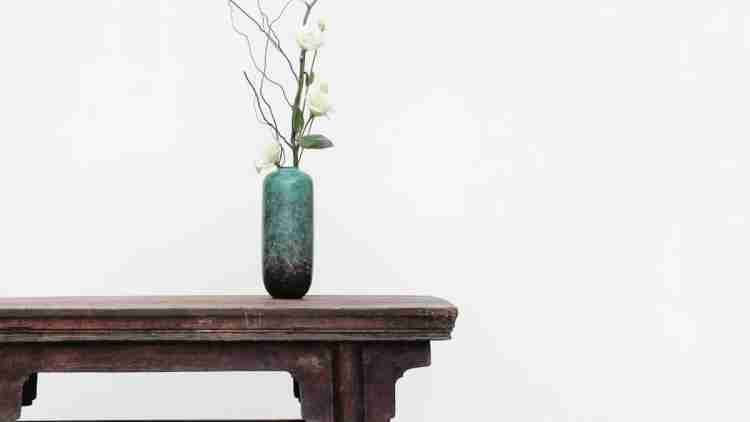
In Japandi style, only natural geometry is acceptable. That is, oval vases, round tables orservice countersrectangular.
Drawers without handles or textured walls are also characteristic of these environments.
A desire to simplify that is also reflected in the height of the furniture (which must be low) or the fluidity of circulation.
Just like minimalism, less is more in this design style. Therefore, when the theme is “accessories & decoration”, the choice falls on handmade ceramic pieces or wall clocks that serve more than just decoration. Above all, you need to pay attention to intentionality.
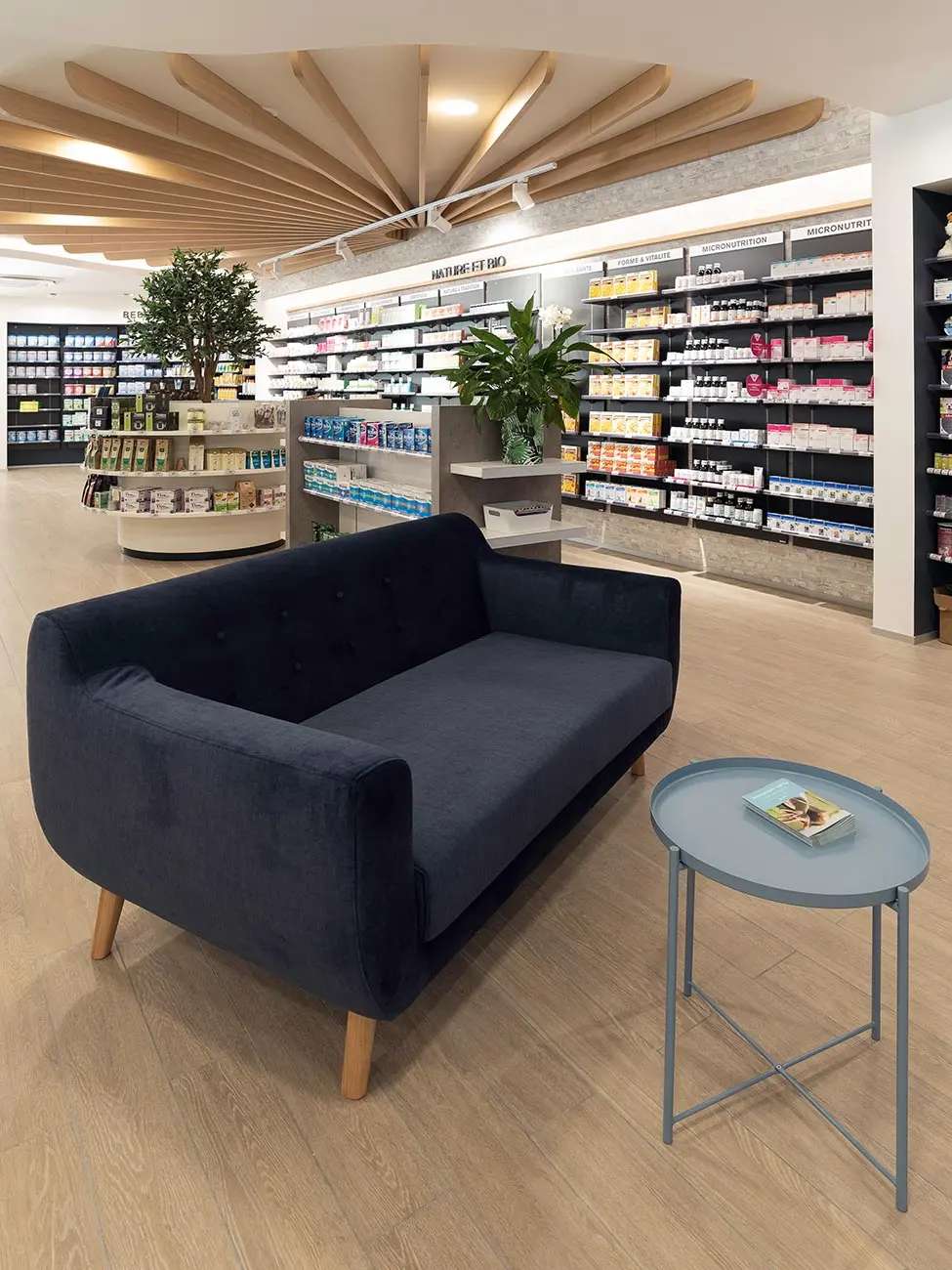
In the Japanese style, all elements must serve a function so as not to overload the space or cause visual fatigue. Due to this characteristic, this style is ideal for domestic spaces orsmall commercial environments.
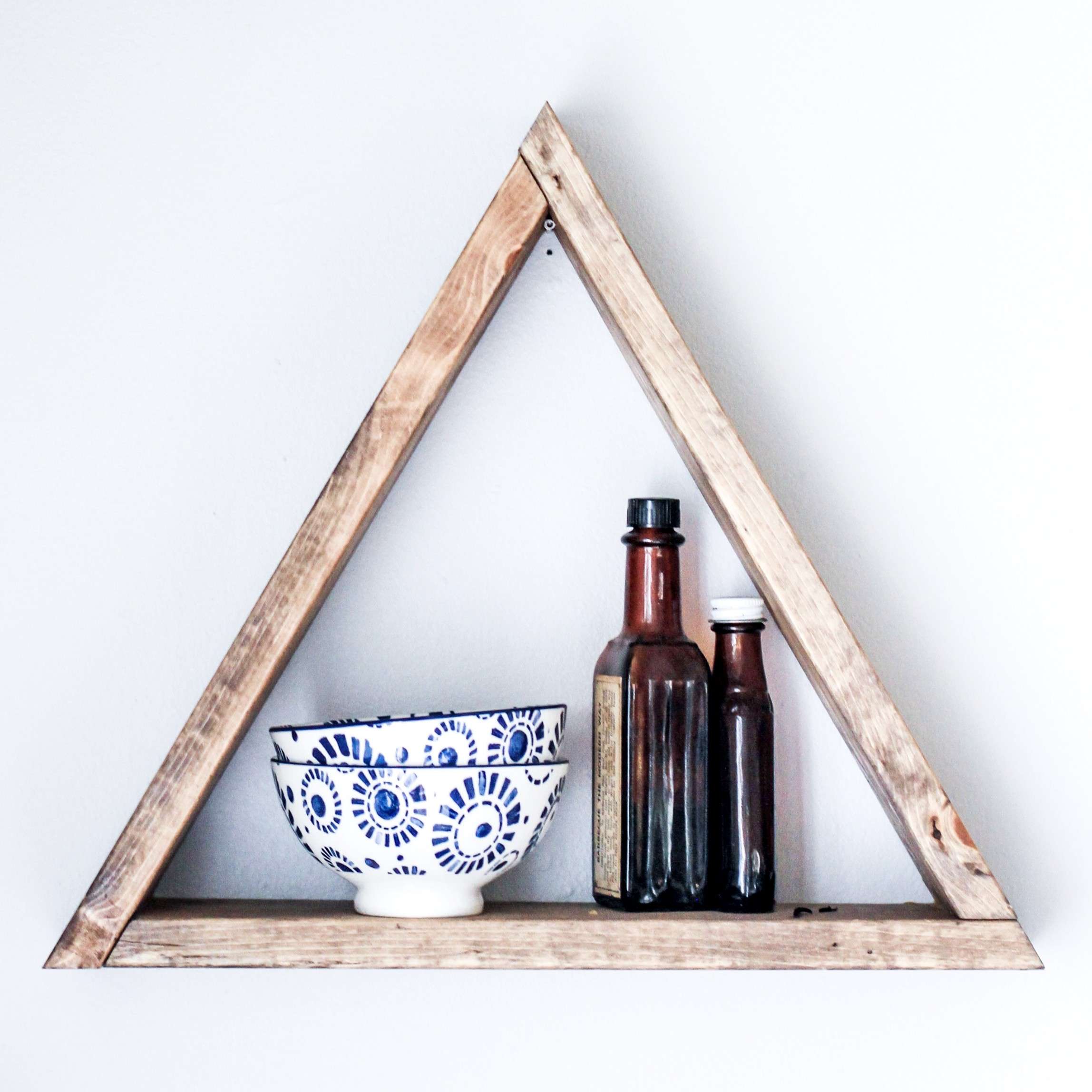
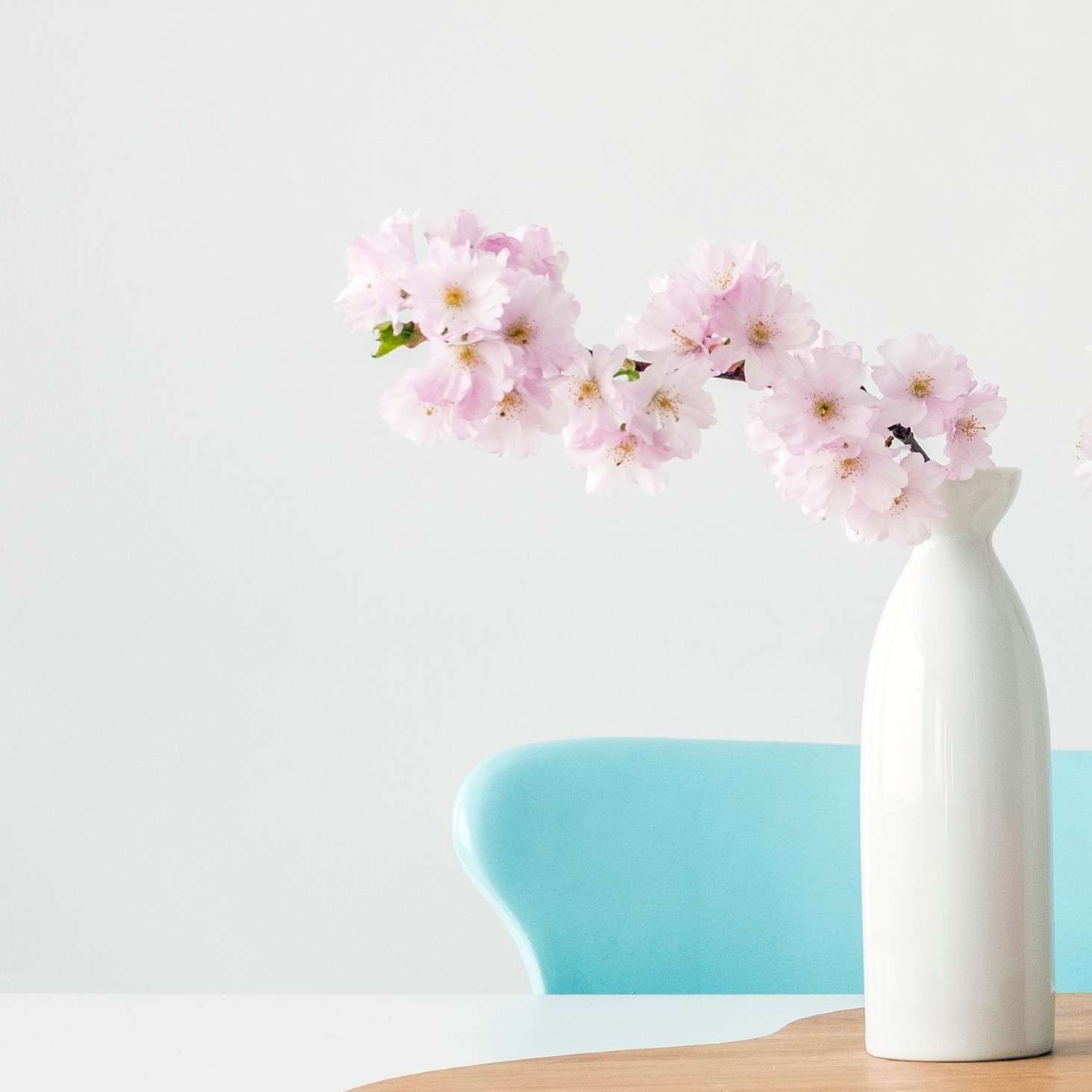
One of the most important elements of the Japandi style is the palette ofcolors. Natural tones combined with fresh colors such as pink, blue or green.
Black details to accentuate design elements, create depth or focal points.
In this design style, the simplicity of shapes and lack of bright colors provide the perfect setting for relaxation.
Finally, another requirement of this style is that thefurnitureage gracefully. Here, things are considered to improve with age and can be easily repaired: especially furniture.
For example, the roughness of natural wood, even if it changes color over time, does not lose its aesthetic appearance and even gains more personality. Therefore, it is believed that the marks on the materials help tell the story of the space, offering it character and visual interest.

Our team of architects, designers and engineers designs elegant environments and solutions, with the aim of improving the quality of life for patients, families and healthcare professionals. Count on us!
Contact us!
Count on a multidisciplinary team with extensive experience in developing construction and renovation projects. Count on Medd’s professionals to ensure the success of your project. Contact us today!
Find inspiration for your renovation projects. Follow us and stay up to date with the latest news.