Tips
Artificial Intelligence in Pharmacies and Clinics: How Technology Is Transforming Healthcare Spaces
tips

Share this post
While scientists and researchers work at a dizzying pace to find a definitive solution to the pandemic, many architects and interior designers are now starting to do their part. In order to reduce the pressures placed on healthcare services, many professionals choose to include antibacterial surfaces in the development of new projects and the design of specialized technical products. Understand why!
A generalized phobia of surfaces and objects with a high need for contact (such as doorknobs, handrails, handles, etc.) has developed.architects and designersThey are now beginning to explore effective ways to improve the sanitation of indoor environments, especially in places where occupants are prone to falling ill or worsening their health condition. Therefore, in places where sanitation is a priority, such as hospitals, clinics, pharmacies or analysis laboratories, the role of design should not only be to support medical procedures, with practical and elegant solutions. In conditions like the one we currently experience, design must be thought of as a way to ensure the maintenance of a clean and safe environment. This situation also occurs with the design of new healthcare spaces orrenovations. In this sense, and since surfaces and elements that make up busy spaces can be the perfect refuge for bacteria of all types, it is essential to know how to resolve the problem. The truth is that, although hand washing and surface disinfection are effective ways to mitigate the spread of bacteria, choosing the right materials can improve users' health.
In short, bacteria are extremely abundant microorganisms that develop in any type of environment. Although most bacteria bring benefits to humans and the environment, there are also bacteria that cause infectious diseases, usually respiratory or intestinal. Now, viruses like Sars-Cov-2, better known as “newcoronavirus”, like bacteria, can survive up to three days on plastic and stainless steel surfaces, which justifies the application of antibacterial technology in materials capable of inhibiting the attachment of bacteria to the surfaces of indoor environments dedicated to providing healthcare.
Antibacterial technology uses concentrated active ingredients that are applied to various materials during the manufacturing phase. Actives such as silver, zinc or copper ions are transformed into antibacterial additives, in concentrated powders or liquids, which are previously applied to resistant materials and raw materials. Likewise, there are organic technologies with phenolic biocides, quaternary ammonium compounds and fungicides, which are effective in combating bacteria that settle on the most varied surfaces. This technology can be applied to any type of material, including plastics, textiles, rubber, among others.
In order to reduce the risk of contagion and infection, any professional environment must be as antiseptic as possible. That is, the materials used must inhibit the attachment of bacteria and prevent the formation of these microorganisms. Antibacterial surfaces do not require high levels of disinfection and are considered by many to be true sources ofsafety and prevention, especially in the health sector. There are several promising materials for implementing antibacterial technology. Here are three examples:
Currently, ceramics are widely used in the development of ceramic parts.furnitureand in covering walls and other types of surfaces. An increasingly articulated material, ceramics can be found in tiles of different sizes, contributing to the creation of spaces of high quality and aesthetic dynamics.
As a naturally non-toxic material, ceramic is normally fired at 1,200°C. Free of biological residues harmful to health, without any organic compounds or petroleum derivatives, the ceramic creates a compact antibacterial surface that does not allow the penetration of dust mites and other irritable substances. Additionally, ceramic is a waterproof material, extremely easy to clean and very resistant to detergents and chemicals that may be more aggressive.
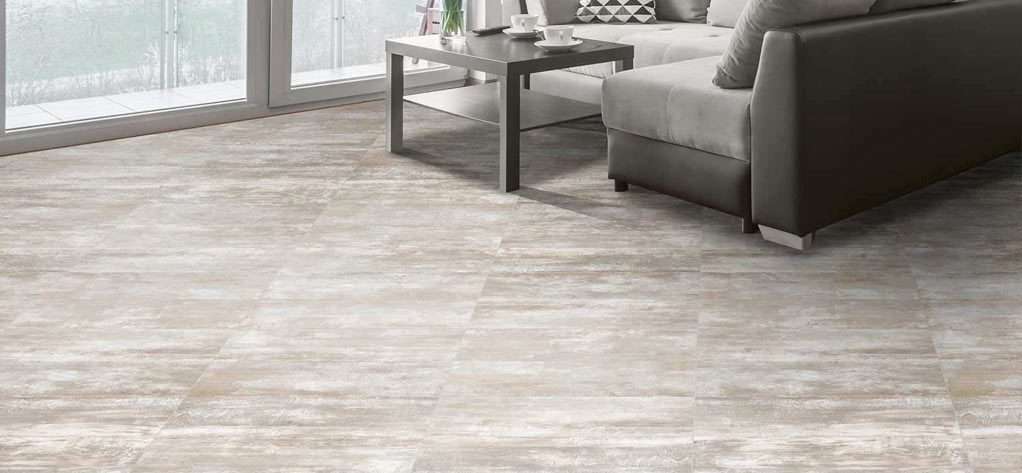
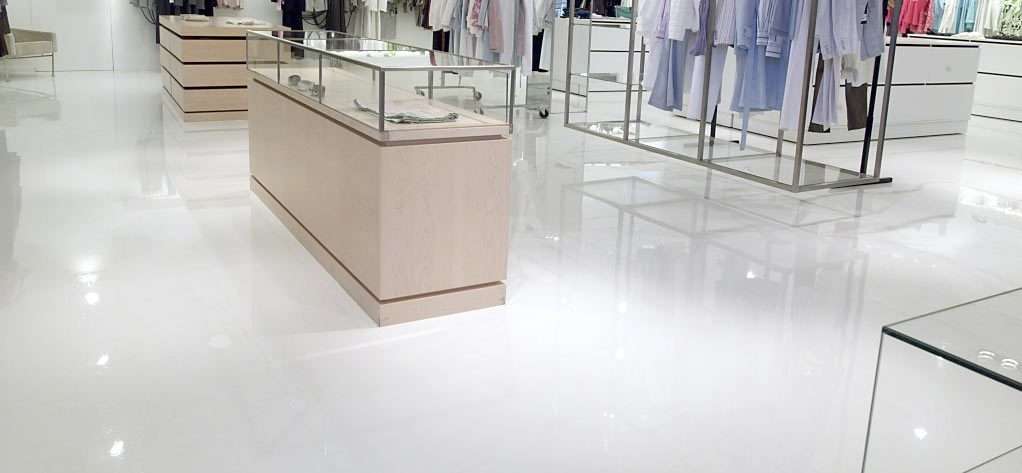
Epoxy resin is an undeniably popular material. Cheap and easy to use, epoxy resin is extremely resistant to the action of chemicals and heat. Furthermore, it is a balanced material and suitable for a wide variety of practical applications. When in contact with a catalytic agent, the epoxy resin creates a solid surface, without any joints, that does not harbor bacteria or mites. Can be applied as a covering for ceramic floors, porcelain, stone, slate, among others, this material helps to generally improve the air quality of any interior space.
Antiseptic and anti-fungal, copper is increasingly used in the development of objects such as taps, handles, doorknobs, among others. As it has significant resistance to bacteria, it is frequently used in spaces used to provide healthcare services and in the development of antibacterial coatings, through the insertion of copper nanoparticles.

It is important to remember that antibacterial surfaces are not antiviral surfaces. Antibacterial surfaces are effective against a broad spectrum of bacteria. They typically incorporate active silver ingredients, allowing for successful sanitation. In contrast, surfaces with antimicrobial agents offer a higher level ofsafety and prevention, continuously inhibiting the growth of microbes on surfaces for long periods.
InMEDD, a multidisciplinary team of experienced professionals is able to determine which antibacterial surfaces best suit your workspace. Considering a wide variety of factors, MEDD's architects and designers find the solution that best suits your needs, without ever forgetting the aesthetic and functional quality of your space.
Count on a multidisciplinary team with extensive experience in developing construction and renovation projects. Count on Medd’s professionals to ensure the success of your project. Contact us today!
Find inspiration for your renovation projects. Follow us and stay up to date with the latest news.